
Built to Last: Designing a Financially Sustainable, Long-Term Operating Model to Maintain the Nation's Aging Housing Stock
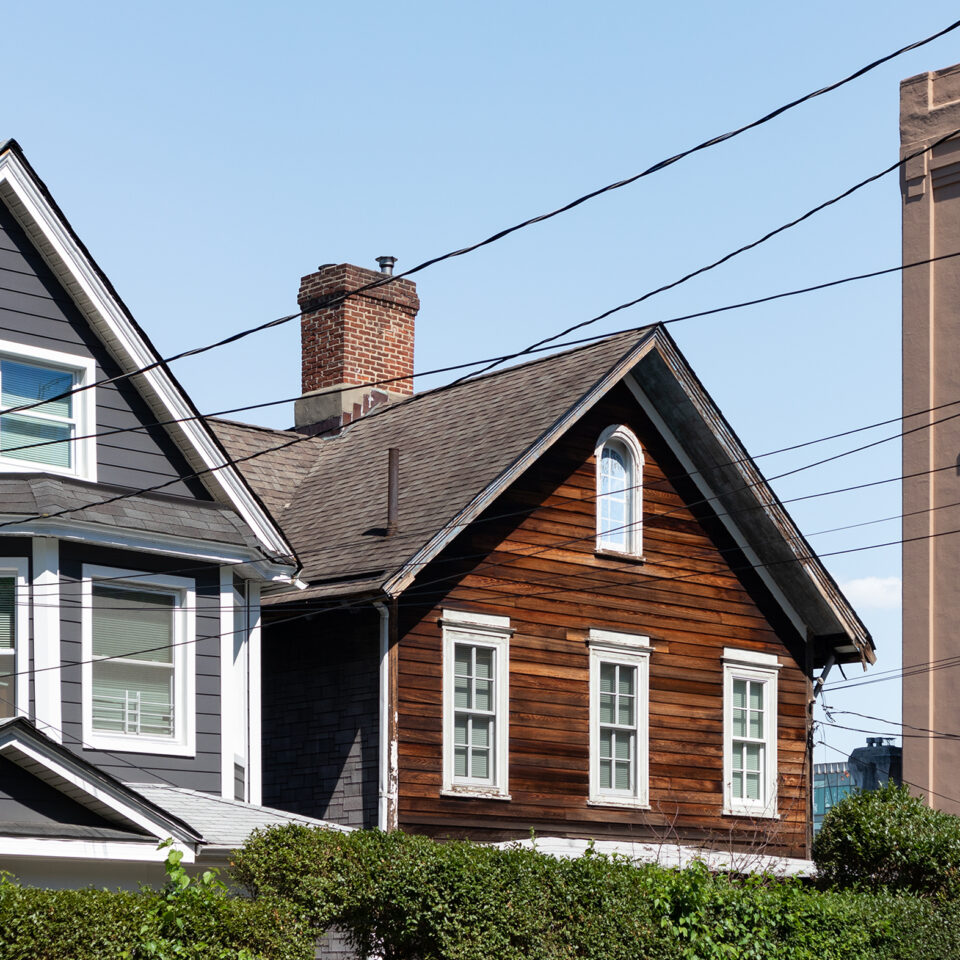
The nation’s housing stock is aging but guaranteeing the long-term operational sustainability of these existing homes is critical. This paper defines “operational sustainability” to include three interlocking goals—affordability, financial sustainability and habitability and it analyzes how the nation’s aging housing stock is set-up to perform against those goals in the long-term. The white paper has three sections. The first section analyzes the operational challenges faced by lower-income homeowners, who are experiencing increases in operating costs including utilities, mortgage costs, insurance and others.
This section then lays out why current policy tools are not well-equipped to offset those costs, leading to deferred maintenance especially among lower-income homeowners. The second section looks at the operating model of the nation’s affordable multifamily rental buildings, finding that rental income may be declining in real terms while operating costs escalate. In addition, this section then describes the nation’s three largest operating subsidy programs, showing that they both do not reach all “naturally occurring” affordable housing and where they are deployed may not be providing sufficient resources to offset shortfalls between rents and operating costs. The final section then discusses potential policy solutions to ensure the operational sustainability of older rental housing and owner-occupied homes targeted at lower-incomes.
This paper was produced on behalf of the National Housing Crisis Task Force. The Task Force commissioned seven papers on topics that cover the breadth of housing inputs, namely data, land, regulation, capital, construction, operational sustainability and governance. This paper covers operational sustainability. The entire collection can be found at nationalhousingcrisis.org/HousingWhitePapers.